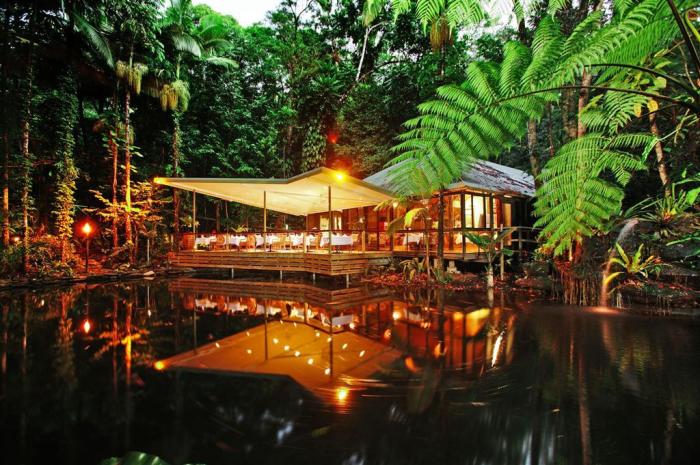
Eco-friendly spa and resorts set the stage for this enthralling narrative, offering readers a glimpse into a story that is rich in detail and brimming with originality from the outset. From sustainable architecture to organic amenities, this discussion explores the innovative practices shaping the hospitality industry.
Eco-friendly spa and resorts

Eco-friendly spa and resorts focus on minimizing their impact on the environment by implementing sustainable practices in their operations. These establishments prioritize the use of renewable energy sources, reducing water consumption, and promoting conservation efforts.
Importance of sustainability in the hospitality industry
Sustainability is crucial in the hospitality industry as it not only helps protect the environment but also appeals to eco-conscious consumers. By adopting eco-friendly practices, spa and resorts can attract a growing market segment that values sustainability and ethical business practices.
Examples of eco-friendly practices in spa and resort settings
- Utilizing solar power and energy-efficient lighting to reduce energy consumption.
- Implementing water-saving measures such as low-flow fixtures and rainwater harvesting.
- Sourcing locally produced organic products for spa treatments and amenities.
- Offering eco-friendly accommodations constructed from sustainable materials.
- Participating in community conservation projects and supporting local environmental initiatives.
Green initiatives

Many eco-friendly spa and resorts have implemented various green initiatives to minimize their environmental impact and promote sustainability.
Energy conservation
- Utilizing energy-efficient lighting and appliances to reduce electricity consumption.
- Implementing renewable energy sources such as solar panels or wind turbines.
- Encouraging guests to participate in energy-saving practices like reusing towels and turning off lights when not in use.
Water conservation
- Installing low-flow fixtures and toilets to reduce water usage.
- Collecting and treating rainwater for irrigation purposes.
- Offering guests the option to reuse towels and linens to minimize water waste from laundry.
Waste reduction
- Implementing recycling programs for paper, plastic, glass, and other materials.
- Composting organic waste to reduce landfill contributions.
- Partnering with local organizations to donate leftover food and amenities to those in need.
Green building design
- Constructing eco-friendly buildings using sustainable materials like bamboo, reclaimed wood, and recycled glass.
- Incorporating passive design strategies for natural heating and cooling.
- Utilizing green roofs to improve insulation and reduce stormwater runoff.
Sustainable architecture and design
Sustainable architecture and design play a crucial role in the development of eco-friendly spa and resorts. By implementing environmentally conscious practices in construction, these establishments can minimize their carbon footprint and contribute to a greener future.
Use of natural materials
When it comes to sustainable architecture and design, the use of natural materials is key. Materials such as bamboo, reclaimed wood, and stone not only add a unique aesthetic to the buildings but also reduce the need for energy-intensive manufacturing processes.
Energy-efficient features
Incorporating energy-efficient features in the construction of eco-friendly spa and resorts is essential for reducing energy consumption and promoting sustainability. These features can include solar panels, LED lighting, and passive design strategies to minimize the use of heating and cooling systems.
Benefits of sustainable design practices
- Lower operating costs: Sustainable design practices can help reduce energy and water consumption, leading to lower utility bills for the establishment.
- Enhanced guest experience: Guests are increasingly looking for eco-friendly accommodations, and sustainable design can attract environmentally conscious travelers.
- Positive environmental impact: By using natural materials and energy-efficient features, eco-friendly spa and resorts can reduce their environmental footprint and contribute to conservation efforts.
- Long-term sustainability: Sustainable design practices ensure that the establishment remains efficient and environmentally friendly in the long run, benefiting both the business and the planet.
Organic and locally sourced amenities
Organic and locally sourced amenities play a crucial role in maintaining the sustainability and eco-friendliness of spa and resort services. By using products that are organic and sourced locally, these establishments not only reduce their carbon footprint but also support local communities and promote environmental conservation.
Examples of organic products commonly used in eco-friendly spa treatments:
- Organic essential oils extracted from local herbs and plants
- Organic skincare products made from natural ingredients like coconut oil, shea butter, and aloe vera
- Organic exfoliating scrubs using ingredients such as sugar, salt, and coffee grounds
- Organic massage oils derived from cold-pressed seeds and nuts
Benefits of supporting local communities through sourcing amenities locally:
- Reduces carbon emissions associated with transportation and packaging
- Preserves local biodiversity by promoting the cultivation of native plants
- Supports local farmers and producers, contributing to the economic growth of the community
- Ensures the freshness and quality of ingredients used in spa treatments
In conclusion, eco-friendly spa and resorts not only provide a luxurious experience for guests but also pave the way for a more sustainable future in the hospitality sector. By prioritizing green initiatives and sustainable design, these establishments showcase the beauty of harmonizing luxury with environmental consciousness.
User Queries
What are some examples of eco-friendly practices in spa and resort settings?
Examples include using energy-efficient lighting, recycling programs, and implementing water-saving measures like low-flow faucets.
How do green initiatives contribute to a healthier environment in spa and resort settings?
Green initiatives help reduce carbon footprint, promote conservation of resources, and create a healthier indoor environment for guests and staff.
Why is it important to use organic and locally sourced amenities in spa and resort services?
Using organic and locally sourced amenities supports sustainability, reduces environmental impact, and benefits local communities by promoting economic growth.


